

Where Flavor and Wanderlust Meet

Taste the seasons with sweets inspired by Japan’s festivals and natural beauty, from cherry blossoms to autumn harvest flavors.


-
Learn About Japanese Sweets in America: Traditions and Trends

Japanese confections, known as wagashi, have been a cornerstone of traditional Japanese culture for centuries. These delicate treats are not just aesthetically pleasing but also carry deep cultural significance.
The art of crafting wagashi involves using natural ingredients like red bean paste, a sweet and savory filling made from azuki beans. As Japanese sweets gain popularity in the United States, Americans are discovering the unique flavors and textures that set them apart from Western desserts.
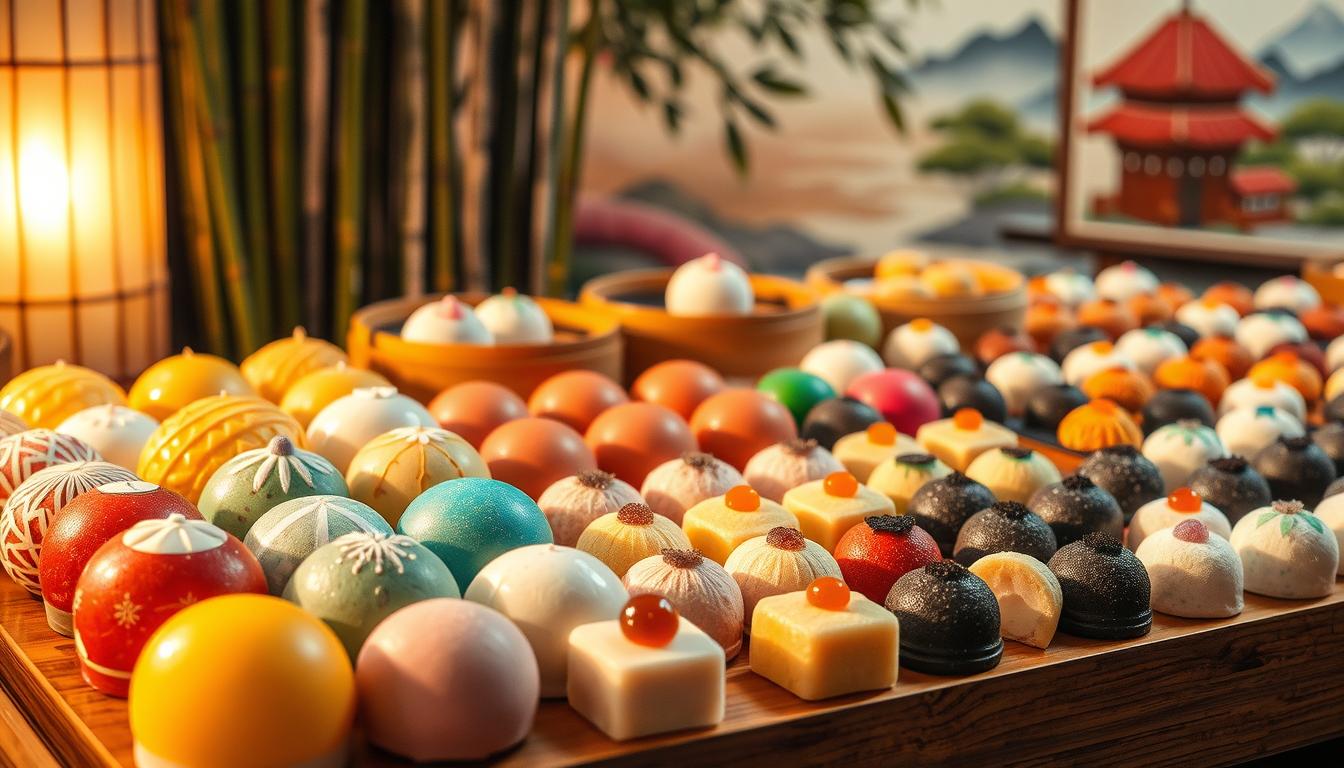
The blend of traditional techniques and modern fusion desserts is making Japanese sweets a fascinating trend in America. From classic wagashi to innovative creations, these sweets are captivating American palates and offering a glimpse into Japan’s rich culinary heritage.
Key Takeaways
- Understanding the cultural significance of Japanese sweets
- Exploring traditional wagashi and modern fusion desserts
- Discovering the unique ingredients used in Japanese confections
- Learning about the growing popularity of Japanese sweets in America
- Appreciating the blend of cultural heritage and culinary artistry
The Cultural Significance of Japanese Sweets
The world of Japanese sweets is deeply intertwined with the country’s culture, reflecting the importance of seasonality and mindfulness. Japanese confectionery, known as wagashi, has its own unique world and philosophy that reflects Japanese culture. These traditional sweets are not just desserts but embody the cultural values of harmony, respect for nature, and attention to detail.
The Art and Philosophy Behind Wagashi
Wagashi is more than just a sweet treat; it is an art form that emphasizes seasonality, visual beauty, and the balance of flavors. The preparation of wagashi involves a deep understanding of the seasons and the natural world, reflecting the Japanese philosophy of living in harmony with nature. Less sugar and not too sweet is favored in wagashi, making it a unique confectionery experience.
Aspect Description Significance Seasonality Wagashi designs and ingredients reflect the changing seasons. Celebrates nature’s cycles and emphasizes harmony with nature. Visual Beauty Wagashi is crafted to be visually appealing, often incorporating natural motifs. Reflects the Japanese appreciation for aesthetics and simplicity. Balance of Flavors Wagashi balances sweetness with other flavors, such as the bitterness of matcha. Emphasizes the importance of harmony in taste and experience. The Connection Between Japanese Sweets and Seasonal Celebrations
Japanese sweets are intricately connected to seasonal celebrations and festivals throughout the year. Specific designs and ingredients are used to reflect the current season, making wagashi an integral part of Japanese cultural practices. For example, during the cherry blossom season, wagashi often features pink hues and cherry blossom motifs, symbolizing the fleeting beauty of nature.
By understanding and appreciating wagashi, one can gain insight into the deeper cultural significance of Japanese sweets and their role in traditional celebrations.
A Brief History of Japanese Confectionery
Wagashi, or traditional Japanese sweets, have been an integral part of Japanese culture for over a thousand years. The history of Japanese confectionery is deeply intertwined with the country’s cultural and religious practices.
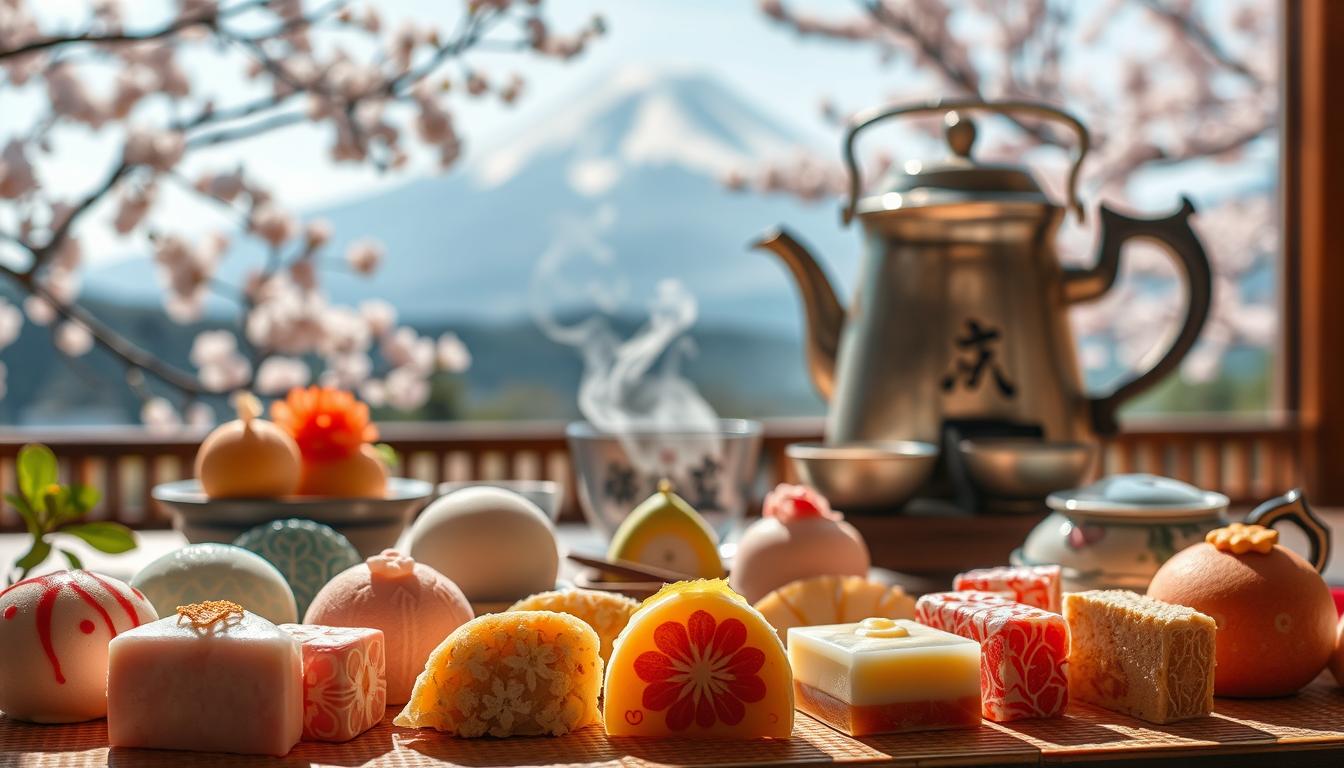
Origins of Traditional Japanese Sweets
The roots of wagashi date back to the Nara period (710-794), when Japan began significant cultural exchanges with China. Early influences included desserts like kara-kudamono, a deep-fried mochi made from rice, wheat, and soybeans. These sweets were initially used in religious offerings and court ceremonies.
The Evolution of Wagashi Through the Centuries
During the Kamakura and Muromachi periods, tea culture was introduced to Japan, making wagashi an essential part of the tea ceremony. The Edo period saw wagashi truly flourish as a distinct culinary art form, with advances in sugar refining techniques allowing for greater creativity and variety in Japanese confectionery, including the use of bean paste and sugar.
How Japanese Sweets Made Their Way to America
Japanese sweets made their way to America through immigration, cultural exchange, and growing global interest in Japanese cuisine. Today, Japanese confections have adapted to American tastes and ingredients while maintaining their distinctive character and cultural significance, introducing the world to the rich tradition of wagashi.
Traditional Japanese Sweets You Should Know
The world of Japanese confectionery is vast and diverse, offering a range of traditional sweets that have captured the hearts of many Americans. Japanese sweets, or ‘wagashi,’ are not just delicious treats but also embody the country’s rich cultural heritage and seasonal celebrations.
Mochi and Its Many Variations
Mochi is a chewy rice cake made from pounded glutinous rice, with a history dating back over 2,000 years. It is often served with sweet fillings, such as red bean paste or ice cream. In the US, mochi is available in various forms, from daifuku (mochi filled with sweet bean paste) to modern variations filled with ice cream, fruit, or chocolate. The versatility of mochi has made it a popular treat among Americans.
Dorayaki, Taiyaki, and Other Bean-Filled Treats
Dorayaki and taiyaki are two popular Japanese sweets that have gained popularity in America. Dorayaki consists of two pancakes filled with sweet bean paste, while taiyaki are fish-shaped waffles filled with the same sweet filling. Both treats are delicious and offer a unique texture and flavor profile. As one Japanese confectioner notes, “The harmony between the sweetness of the bean paste and the softness of the pancake or waffle is what makes these treats so special.”
Seasonal Specialties in Japanese Confectionery
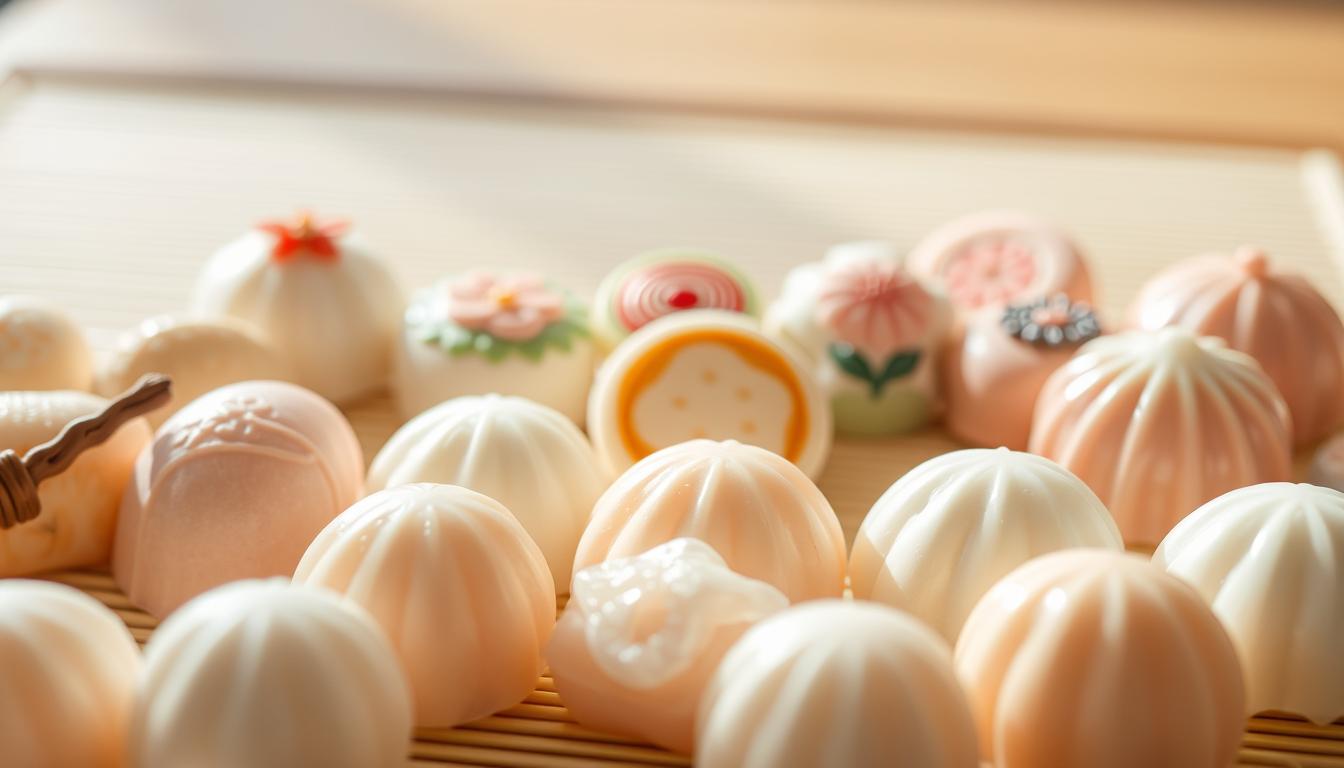
Japanese confectionery is known for its seasonal specialties, which mark different times of the year. For example, sakura mochi is a popular treat during spring, while kurimanju (chestnut-filled buns) are enjoyed in autumn. These seasonal sweets not only reflect the country’s appreciation for nature but also offer a unique and delicious way to experience Japanese culture.
The Art of Crafting Wagashi
The art of crafting wagashi is a nuanced blend of culinary expertise and aesthetic appreciation. Wagashi artisans, known as wagashi-shi, use traditional methods to transform basic ingredients into intricate confections that capture the beauty of the natural world.
Crafting wagashi involves a deep understanding of both the ingredients and the cultural significance behind these sweets. The basic ingredients—rice flour, sweet bean paste (often red or white), sugar, and natural colorings from plants or fruits—are straightforward. However, the methods for turning these ingredients into wagashi are intricate and demand extensive training.
Essential Ingredients in Traditional Japanese Sweets
The foundation of traditional Japanese sweets lies in their simple yet high-quality ingredients. Rice flour is a staple, used to create the dough for various wagashi types. Sweet bean paste, or anko, is another crucial ingredient, made from azuki beans and sugar. The texture and flavor of anko can vary, with types ranging from smooth koshi-an to chunky tsubu-an.
Ingredient Description Usage in Wagashi Rice Flour Ground rice used to create dough Mochi, nerikiri Sweet Bean Paste (Anko) Made from azuki beans and sugar Filling for dorayaki, taiyaki Natural Colorings Derived from plants and fruits Coloring wagashi to represent seasons Techniques and Tools Used by Wagashi Artisans
Wagashi artisans employ various techniques and tools to create intricate designs. The shaping process involves using hands and specialized tools to mold the dough into elaborate designs like flowers or seasonal motifs. Techniques include kneading, steaming, and molding, with tools ranging from wooden molds to delicate cutting implements.
The artistry shines during the shaping process, where artisans use their hands and specialized tools to mold the dough into elaborate designs. Achieving the distinctive texture that characterizes different types of Japanese sweets is crucial, whether it’s the elasticity of mochi or the delicate structure of nerikiri.
Modern Japanese Sweets and Innovations
The traditional art of Japanese sweets is being revitalized with modern twists, incorporating new flavors and presentation styles. Modern twists on traditional wagashi are evolving as innovative confectioners combine classic techniques with contemporary flavors, designs, and presentations.
Fusion Desserts
Fusion desserts are becoming increasingly popular, blending Japanese ingredients like matcha and yuzu with Western elements such as cream and chocolate. This blend attracts younger audiences and fans of both Japanese and Western sweets.
Popular Japanese Candy and Snacks
Japanese candy and snacks have gained a cult following in the US. Popular items include Pocky sticks and unique Kit Kat flavors. These treats often combine traditional Japanese flavors with modern packaging and marketing.
Instagram-Worthy Japanese Dessert Trends
Social media has fueled the popularity of visually stunning Japanese desserts. Trends include souffle pancakes, raindrop cakes, and taiyaki ice cream cones. These desserts are not only delicious but also provide a unique and shareable experience.
Dessert Trend Description Key Ingredients Souffle Pancakes Fluffy, tall pancakes Eggs, cream, sugar Raindrop Cakes Delicate, water-like cakes Water, agar, sugar Taiyaki Ice Cream Cones Fish-shaped ice cream cones Ice cream, waffle batter, red bean paste Learn About Japanese Sweets in America: Where to Find Them
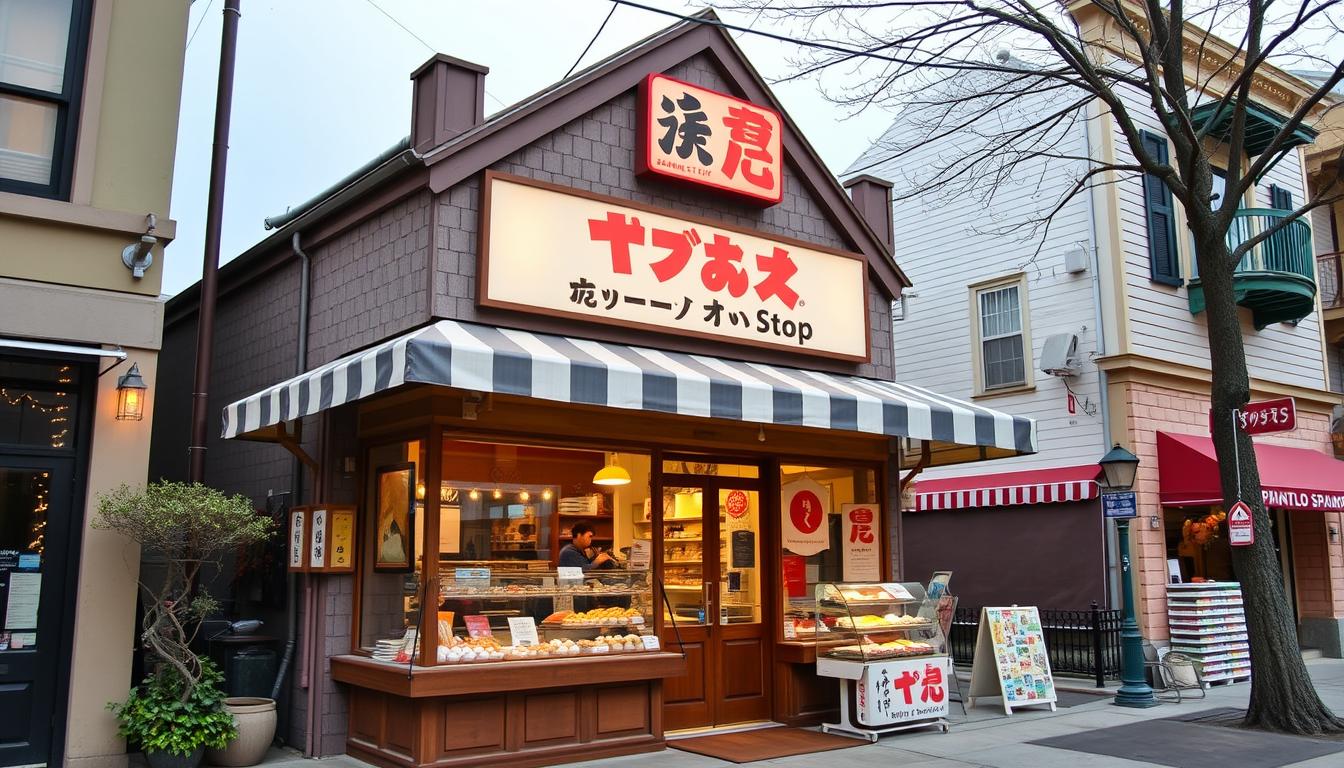
For those eager to indulge in Japanese sweets, America offers a variety of avenues to explore. From specialty confectionery shops to online retailers, the options are diverse and accessible.
Japanese-Style Bakeries
Japanese sweets, or wagashi, have found a passionate following in the U.S., blending centuries-old tradition with modern culinary trends. From mochi ice cream in grocery aisles to elegant dorayaki served in boutique cafés, these confections are capturing hearts nationwide. For those planning a trip to Las Vegas, the city’s vibrant food scene offers a surprising mix of East-meets-West experiences. Notably, Suzuya Patisserie, a family-owned bakery established in 2012, specializes in Japanese-style pastries like strawberry shortcake and matcha mille crepes, all crafted fresh daily. Another gem is Sweet Garden Japanese Cheesecake, renowned for its light, fluffy cheesecakes and matcha-infused creations.
To complement these culinary adventures, consider accommodations near these establishments that reflect the same level of refinement. Vegas Luxuries offers high-end vacation rentals tailored for travelers seeking comfort and style in the heart of the city next to Suzuya and Sweet Garden. Their properties provide a serene retreat after a day of exploring Las Vegas’s diverse offerings. If you’re looking to pair your cultural experiences with exceptional lodging, learn more about what Vegas Luxuries has to offer.
Specialty Japanese Confectionery Shops
Specialty Japanese confectionery shops have sprouted up in major American cities, offering freshly made mochi, daifuku, and other traditional treats. These shops provide an authentic experience, allowing customers to sample a range of Japanese sweets made with high-quality ingredients like red bean paste.
Japanese Supermarkets and Asian Grocery Stores
Japanese and Asian supermarkets stock a wide variety of packaged Japanese sweets, candies, and snack foods. These stores are a treasure trove for those looking to explore different types of Japanese confectionery, from bean paste-filled sweets to unique candies.
Online Retailers Specializing in Japanese Sweets
For those who cannot find Japanese sweets in local stores, online retailers specializing in Japanese confectionery are a convenient option. These retailers import a range of Japanese sweets and candies, making them accessible to anyone across America.
In conclusion, finding Japanese sweets in America is easier than ever, with various channels available to satisfy your cravings for these delicious treats.
The Growing Popularity of Japanese Desserts in American Culture
As American food culture continues to evolve, Japanese desserts have emerged as a fascinating and delicious trend. The unique flavors, beautiful presentation, and cultural significance of Japanese sweets have captivated many Americans.
Social Media’s Role in Boosting Japanese Sweets’ Visibility
Social media platforms like Instagram and TikTok have dramatically increased the visibility of Japanese sweets. Influential food bloggers and content creators have introduced Americans to Japanese dessert culture through engaging videos and beautiful photography. The visually striking nature of Japanese desserts makes them perfect for social media sharing, further boosting their popularity.
American Chefs Embracing Japanese Dessert Elements
American chefs and pastry professionals are incorporating Japanese ingredients, flavors, and techniques into their creations. The use of matcha, red bean paste, and other traditional Japanese ingredients is becoming increasingly popular in American bakeries and dessert shops.
Japanese Dessert Cafes and Pop-Ups in Major US Cities
Japanese dessert cafes and pop-up shops are emerging in major US cities, offering authentic experiences and introducing new audiences to these treats. The growing appreciation for matcha and other Japanese flavors has opened doors for new dessert concepts.
City Type of Japanese Dessert Establishment Notable Desserts New York Cafe Mochi ice cream, Matcha tiramisu Los Angeles Pop-up Shop Red bean buns, Manju Chicago Dessert Bar Matcha cheesecake, Japanese-style crepes Making Japanese Sweets at Home
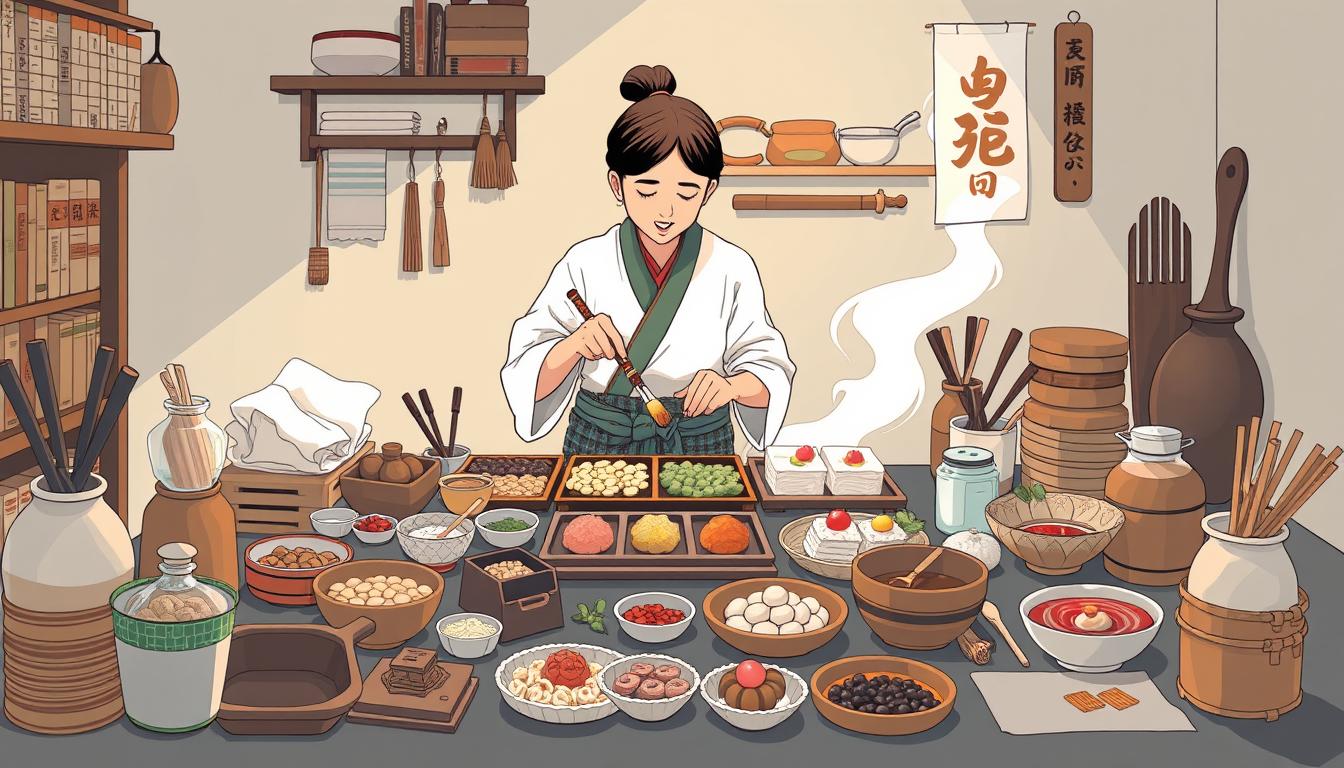
Discover the art of Japanese sweet-making in the comfort of your own home. With a few simple ingredients and tools, you can create delicious Japanese sweets that are perfect for any occasion.
Essential Tools and Ingredients for Homemade Wagashi
To make wagashi at home, you’ll need a few essential tools and ingredients. These include special rice flour, bean paste, and wooden molds. You can find these ingredients at most Asian grocery stores or online.
Simple Japanese Sweet Recipes for Beginners
Start with simple recipes like mochi and dorayaki. These traditional Japanese sweets are easy to make and require minimal ingredients. You can also experiment with different flavors and fillings to create your own unique sweets.
Japanese Sweet-Making Kits Available in America
If you’re new to making Japanese sweets, consider using a Japanese sweet-making kit. These kits usually include pre-measured ingredients and instructions, making it easy to get started. You can find these kits online or at specialty stores.
Conclusion: Embracing the Sweet Side of Japanese Culture in America
Japanese sweets, with their delicate flavors and beautiful presentation, offer Americans a delicious gateway to understanding Japanese culture. The popularity of these treats reflects a broader interest in global cuisines and authentic cultural experiences. By embracing traditional wagashi and modern Japanese desserts, Americans can expand their culinary horizons and appreciate the craftsmanship behind these sweets. This cultural exchange enriches our understanding of Japanese aesthetic principles and seasonal awareness. As we continue to discover and enjoy Japanese sweets, they will become an integral part of American dessert culture.
FAQ
What is wagashi?
Wagashi is a traditional Japanese confectionery often served with green tea, typically made with natural ingredients like mochi, red bean paste, and fruit.
What is the significance of seasonal celebrations in Japanese sweets?
Seasonal celebrations play a crucial role in Japanese sweets, with many traditional sweets designed to reflect the changing seasons and cherry blossoms.
What is the difference between mochi and other Japanese sweets?
Mochi is a type of Japanese sweet made from pounded rice, often filled with sweet red bean paste or ice cream, and has a distinct texture.
Are Japanese sweets suitable for vegans?
Some Japanese sweets are vegan-friendly, but many traditional sweets contain dairy or other animal-derived ingredients, so it’s essential to check the ingredients.
Can I make Japanese sweets at home?
Yes, you can make Japanese sweets at home with the right ingredients and tools, and there are many simple recipes available for beginners.
What is the role of matcha in Japanese sweets?
Matcha, or green tea powder, is a popular ingredient in Japanese sweets, adding a distinct flavor and color to many traditional confections.
Where can I find Japanese sweets in America?
You can find Japanese sweets at specialty confectionery shops, Japanese supermarkets, and online retailers that specialize in Japanese sweets.
Our Latest Inspirations

Best Late-Night Snacks in Tokyo (Beyond Ramen)
When midnight strikes in Tokyo, most travelers reflexively head toward the neon glow of a…
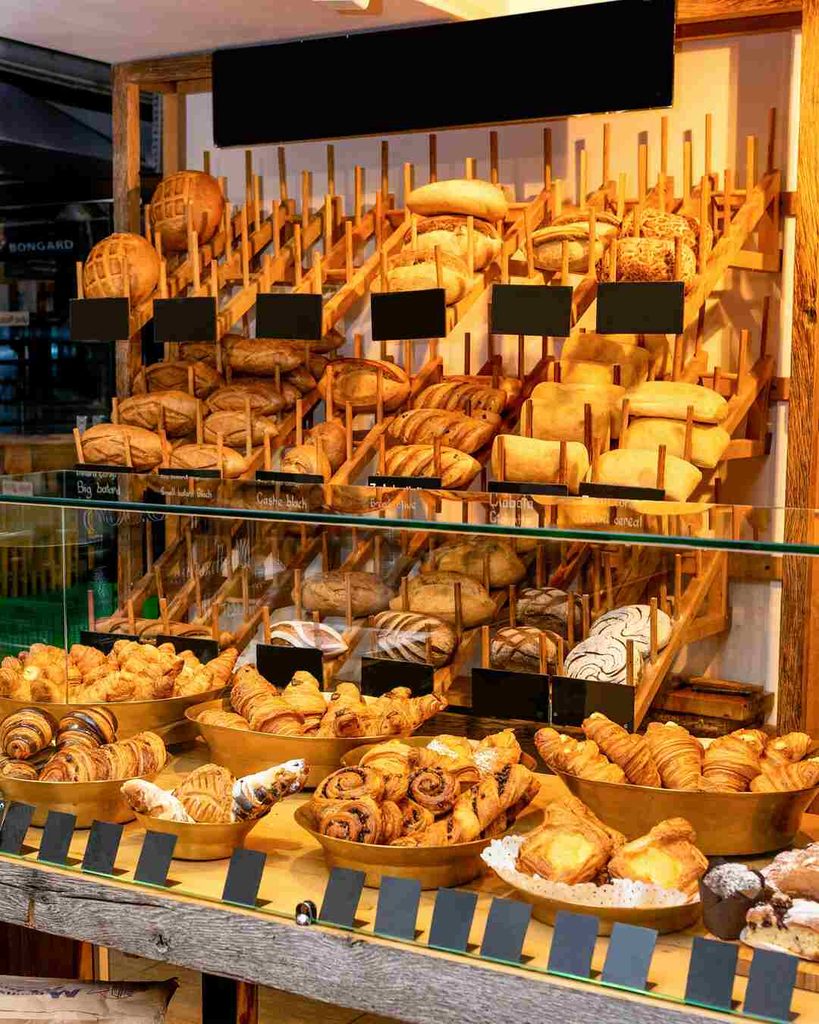
How Japanese Bakery Culture Influenced American Pastries
When European baking techniques first arrived in Japan over a century ago, local pastry chefs…
Japan Trip Planning Timeline: What to Book 6 Months vs 1 Week Out
Planning a trip to Japan is an exercise in balancing excitement with precise execution. The…
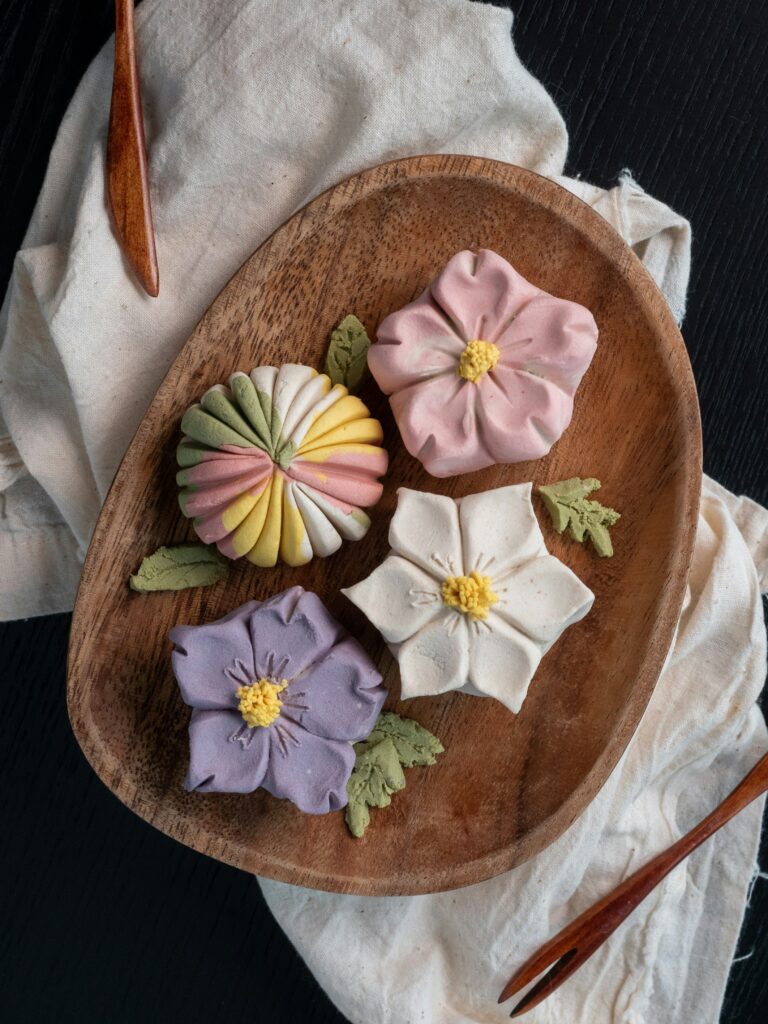
How Wagashi Is Made: Techniques and Ingredients (Beginner-Friendly)
Wagashi, traditional Japanese sweets, are known for their delicate appearance and subtle flavors. While they…

Explore Delicious Americanized Japanese Treats
Explore Delicious Americanized Japanese Treats The fusion of Japanese and American culinary traditions has given birth to a unique and fascinating world of desserts. Imagine the delicate flavors and techniques of Japan blended with the creativity and richness of American desserts. This blend has resulted in a delightful array of treats that are both familiar and innovative. In this article, we’ll take you on a journey through the delightful world of Japanese-American fusion desserts, exploring their origins, flavors, and what makes them so special. Key Takeaways Discover the unique fusion of Japanese and American dessert traditions. Explore the origins and evolution of these innovative treats. Learn about the key ingredients and flavors that define Japanese-American fusion desserts. Find out why these desserts are gaining popularity worldwide. Get insights into the creative process behind these unique desserts. The Fusion of Japanese and American Culinary Traditions The fusion of Japanese and American culinary traditions has given rise to a unique category of desserts that are both familiar and exotic. This blend of cultures has resulted in the creation of innovative sweets that appeal to a wide range of palates. The Birth of Cross-Cultural Desserts The birth of cross-cultural desserts can be attributed to the increasing cultural exchange between Japan and America. As international travel and trade have become more accessible, the popularity of Japanese sweets in America has grown, leading to the development of Americanized versions of traditional Japanese desserts. Some key factors contributing to this trend include:…

Savor the Flavors: Matcha Desserts Sweeping the US
Savor the Flavors: Matcha Desserts Sweeping the US The US culinary scene is experiencing a significant shift, with green tea desserts taking center stage. The unique flavor profile and numerous health benefits of matcha have captured the hearts of Americans, making it a trending ingredient in the country’s dessert culture. As the matcha trend in America continues to grow, innovative bakeries and cafes are pushing the boundaries of traditional desserts, incorporating matcha into creative and delicious treats. Key Takeaways The rising popularity of matcha desserts in America is driven by their unique flavor and health benefits. Green tea desserts are becoming increasingly popular in the US culinary scene. The matcha trend in America is inspiring innovation in bakeries and cafes. Matcha’s versatility is being showcased through various creative dessert recipes. The health benefits associated with matcha are contributing to its growing appeal. The Green Revolution: How Matcha Captured American Palates From traditional tea ceremonies to modern cafes, matcha’s journey in the US is a story of cultural fusion and culinary innovation. As Americans became more adventurous in their culinary pursuits, matcha, with its rich history and numerous matcha benefits, found a welcoming audience. From Traditional Tea Ceremonies to Modern Cafés The traditional Japanese tea ceremonies, where matcha is prepared with great ceremony and respect, have long been revered for their spiritual significance. In the US, this reverence for matcha culture has translated into a modern café culture where matcha is enjoyed in various forms, from traditional tea to innovative desserts. American cafes have embraced matcha, incorporating it into their menus in creative ways that appeal to both the health-conscious and those with a sweet tooth. This blend of traditional and modern is a testament to the versatility of matcha as a Japanese superfood. The Instagram Effect: Matcha’s Photogenic Appeal…